
Portrait · 8 min read
Wedding portraits digital vs traditional - which to choose
A digital or a traditional portrait? A comparison of two approaches to the wedding portrait: cost, turnaround time, the possibilities and limitations of each technique.
· Anna Karwala
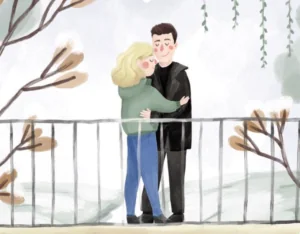
A question that often comes up in the first conversation: “Anna, do you prefer painting digitally or traditionally?”. The answer depends on context - both techniques have their place. A wedding portrait isn’t only an elegant decoration for the home, but above all a sentimental keepsake from one of the most important days in a couple’s life. Today’s newlyweds can choose between two main techniques: portraits made digitally and traditional ones. Each has different qualities, advantages and drawbacks worth weighing before deciding.
What are digital wedding portraits
Digitally means I paint on a graphics tablet, in Procreate. I use a stylus instead of a brush, a screen instead of paper, but the creative process itself is similar - drawing the sketch, laying down colour layers, refining the details. Other artists also work in Adobe Photoshop or Corel Painter. This is a field of digital painting, which has earned a full-fledged place alongside the classic techniques. The common denominator is that the final result is a high-resolution graphics file, ready to print in any format.
I work digitally in 95% of cases. It’s my everyday technique, both in custom wedding portraits and in painting wedding guests live. I can send the client the final file in any format and resolution - for printing on canvas, fine-art paper, even on a wall as a mural.
Advantages of the digital technique
The biggest advantage of this method is flexibility. The artist can make changes at any point in the creative process without the risk of destroying the original version. The portrait can be edited again and again until it’s a perfect match for the client’s expectations. While working, I can:
- Try different colour variants without “ruining” the original
- Make corrections without leaving a trace
- Scale the work up and down
- Change the background, pose or composition at a late stage
All of this matters, because a wedding portrait is work with specific expectations - the client often only realises midway exactly what they want.
Digital wedding portraits are easy to transfer onto various media - from canvas prints, through posters, to modern digital frames. This versatility lets couples choose their preferred way to present the work. Digital files are also easy to store and send.
Drawbacks of the digital technique
Despite their many advantages, digital portraits can feel more emotionally distant compared with traditional works. They lack the artist’s “touch of the hand”, and the brush strokes or pencil marks visible on traditional works may be more valuable to some people. There’s no physical “original” - there’s a file plus a print, two different things.
What are traditional wedding portraits
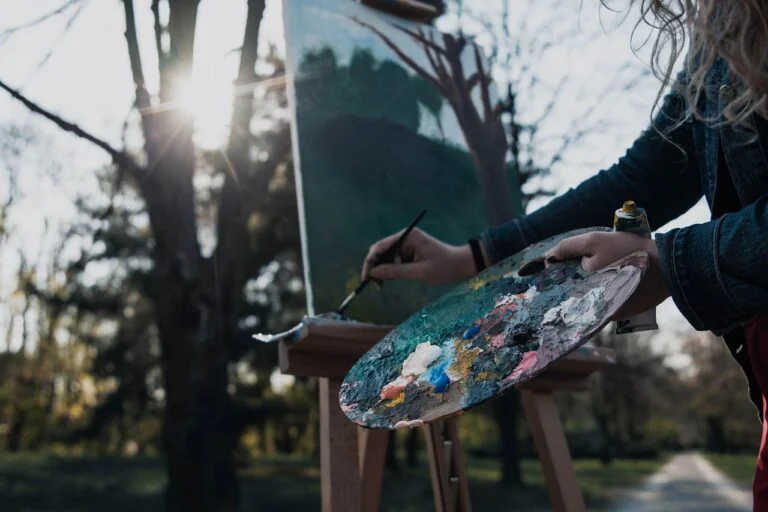
Traditionally means real materials - watercolour, oil painting, acrylic, pastel, pencil on paper or canvas. A single, unrepeatable physical object is created. You can’t copy it “exactly” - every reproduction is only a reproduction. Artists create such portraits using studio painting or drawing techniques recognised for centuries.
I also work traditionally, though less often. Watercolour on artist’s paper is still my passion, one I return to for selected projects.
Advantages of the traditional technique
The traditional approach is valued for the uniqueness of each work. Every brush stroke or pencil movement is unrepeatable, which gives the portraits a personal, handcrafted character. Many people appreciate the fact that such a portrait exists as a single copy, created with the artist’s commitment and passion.
Traditional portraits bear the stamp of the creator’s individuality, their style and artistic sensibility. That’s the biggest advantage - you get a single, unrepeatable object. Something that exists physically, has texture, a brush mark, the character of matter. For some people that carries enormous emotional significance.
An oil portrait on well-prepared canvas, in good conditions, can survive a hundred years. It’s a real object that grandchildren inherit. A digital file will survive too, but “inheriting a file” emotionally sounds different from inheriting a painting. A traditional oil portrait is perceived as more valuable - that’s perception; objectively the quality of both can be comparable, but for some clients it matters.
Drawbacks of the traditional technique
A significant drawback of this method is how time-consuming the creative process is. Traditional portraits can take many weeks before the artist works through all the details. Making changes or corrections requires extra effort, and in some cases may even mean starting over, especially when working with a permanent medium.
The costs of materials and working hours are usually higher than in the digital alternatives. An oil portrait on canvas also needs protection from moisture, sun and smoke - it requires conservation that a digital file doesn’t need.
A comparison - the key differences
The creative process
The differences start as early as the design stage. The digital artist works on a tablet, using advanced graphics-editing software. This method allows for faster creation and for making corrections at any moment. The traditional painter, working directly on a physical medium, has to be more careful - every decision is more permanent in nature.
Presentation and storage
Digital portraits can easily be transformed, printed in various formats and sizes, and sent as electronic files. A digital file can be printed as many times as you want, in different formats. A small copy for the parents’ dresser, a large one for the living-room wall, another on a mug for the grandparents. All from one file.
Traditional works usually exist in a single, physical form - which can be both an advantage and a limitation.
The matter of cost
Creating a digital portrait, though it requires a significant investment of the artist’s time, is often cheaper than traditional methods - mainly thanks to lower material costs and the possibility of faster delivery. An oil portrait on canvas or a pastel work is a pricier investment, mainly because of the cost of materials and the working hours.
Turnaround time
A digital portrait is made faster than a traditional one - there’s no drying time, no waiting for a layer. That can be the difference between two and four weeks. If a couple is short on time, the digital technique allows for faster completion of the project.
How to choose the ideal wedding portrait
The choice of a wedding portrait should rest on a few important factors that each couple should weigh individually.
Style preferences
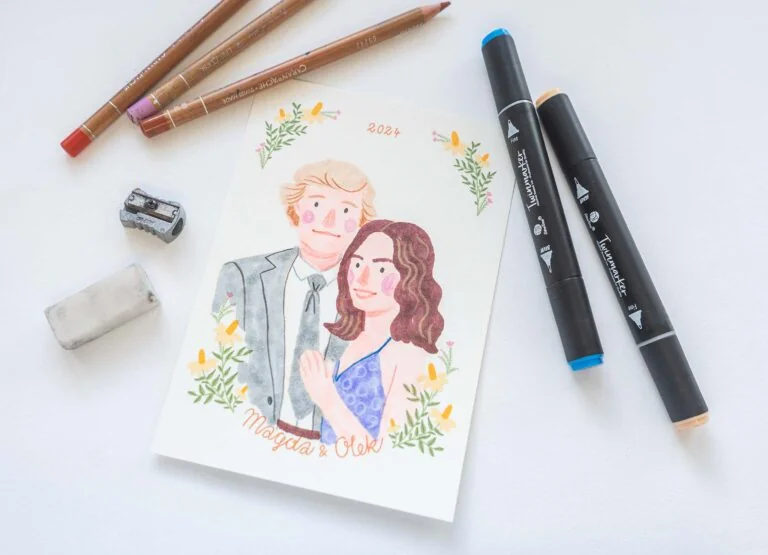
The first step is to think about your preferred style. Those looking for a more modern, stylized image that’s easy to adapt and change should lean towards digital solutions. If, however, a couple dreams of a work that clearly shows the artist’s handwork - visible brush marks, the texture of the paper - the traditional method will be a better choice.
Budget
The financial aspect is crucial. Traditional techniques require a bigger financial outlay, especially if you opt for a renowned artist. Digital portraits can be more affordable, which is an important factor for couples on a limited budget.
Available time
If a couple cares about a quick result, the digital solution allows the work to be finished fast. Traditional approaches, though more time-consuming, can deliver results worth the wait.
The artistic goal
There’s a different weight to the question of whether the portrait is meant mainly as decoration or as a more intimate keepsake. For some, the ability to easily reproduce it on various objects is valuable; for others, the singularity of the original work matters more.
How I decide between them
I most often suggest the digital technique to clients, unless they:
- Clearly want an original as a physical object
- Have a small format (A4 or smaller) where traditional watercolour is realistic time-wise
- Have a specific vision in which traditional texture makes sense
Most wedding portraits in my studio are made digitally. It’s a practical choice and one that doesn’t fall short of traditional techniques in terms of the visual effect.
Printing - how to do it well
Whatever the technique, the printing matters. I recommend:
- Fine-art printing on artist’s paper (cotton, neutral colour)
- Canvas for large-format portraits, if it’s to be a painting
- Acrylic plexi as a modern alternative - it gives an effect of depth and contemporary feel
Cheap photographic printing can ruin a well-painted portrait. A better file well printed beats a worse original.
The final decision
Choosing a wedding portrait isn’t an easy task, because both techniques have their unique advantages. Digital portraits offer greater flexibility, faster delivery and the ability to adapt easily to clients’ needs. Traditional portraits enchant with their handcrafted character, their uniqueness and their emotional charge.
The final decision should rest on the couple’s individual preferences, the available budget and the time constraints. Whatever the choice, both digital and traditional wedding portraits can become a special keepsake that will recall the beauty of that day for years. It’s worth consulting directly with the artist to understand how they realise their vision and what each technique offers. A professional painter should be able to show a portfolio of work that helps with the final choice.
Want to talk through the choice of technique? Write to me - I reply within 48 hours.
More in portrait
All portrait →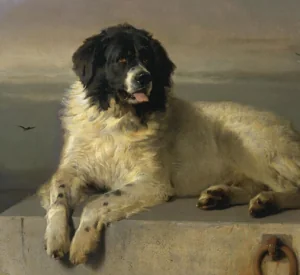
Portrait
Famous artists who painted animals - the tradition of the animal portrait
George Stubbs, Rosa Bonheur, Sir Edwin Landseer - the artists who shaped the tradition of portraying animals. How their work inspires today's pet portraits.
Portrait
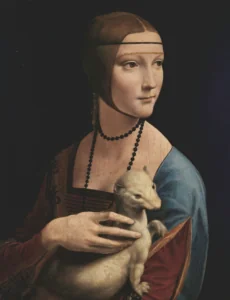
Animal portraits across cultures - symbolism and meaning
Lions in Egyptian art, dragons in Chinese, stags in medieval heraldry. How different cultures portrayed animals and what it tells us about their meaning.
Portrait
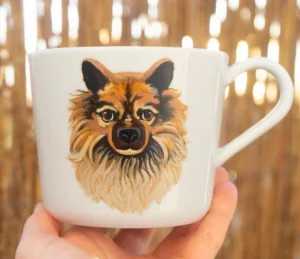
Animal portraits - the most popular techniques
Oil, watercolour, digital art - which technique to choose for a pet portrait? A comparison of techniques from the perspective of an artist who works with animal portraits.
Start a project
Got a project? Let's talk.
I make art that stays - with emotion and attention in every project. Children's book illustration delivered worldwide, wedding and B2B event live painting across Poland - every project starts the same way: an inquiry, a conversation, a decision. Write to me directly. The Bujnowłosa studio is me and a decade-plus of practice.