
Portrait · 8 min read
Animal portraits - the most popular techniques
Oil, watercolour, digital art - which technique to choose for a pet portrait? A comparison of techniques from the perspective of an artist who works with animal portraits.
· Anna Karwala
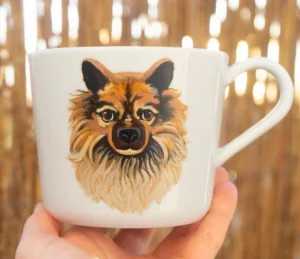
Animal portraits are a special form of art that lets you capture the emotions and unique character of our pets. Both dog and cat portraits aren’t merely aesthetic decoration - they serve as a keepsake that can survive for generations. An animal portrait can be made in several different techniques. Each gives a different result, has different strengths and a different effect on price. In this post I show the most popular techniques that animal-portrait artists work in, and who each one makes sense for.
Digital art - my everyday tool
This is the technique I work in most often - including for custom pet portraits. I paint on a graphics tablet, in Procreate, using a stylus. The final result is a high-resolution file, ready to print in any format.
Strengths
- Flexibility - I can try different variants without spoiling the work
- Undo - if a stroke comes out wrong, I undo and correct it
- Scale - the file can be printed in any size
- Turnaround time - shorter than in traditional techniques
- Reusability - one file, many prints, many uses (from a fine-art wall poster to a mug with your pet’s portrait)
What it won’t do
There’s no physical “original”. There’s a file plus a print - two different things. For people who care about a unique object, that can be a downside.
Who it’s for
The most versatile technique. It works for most clients, regardless of interior style or aesthetic preferences.
Oil technique - the portrait classic
Oil painting is one of the oldest and most respected techniques used for creating animal portraits. The method has stayed popular for hundreds of years thanks to its remarkable artistic possibilities. Linseed-oil-based paint, laid down in thick layers, gives depth of colour and texture.
Strengths
Oil paints allow detail to be reproduced precisely, which is especially important when conveying a pet’s characteristic features - the structure of the coat, the expression of the eyes, the look on its face. These materials are marked by deep colours and a long drying time, which gives the artist considerable flexibility while working on the painting’s layers.
The long drying time is a real advantage - the painter can work over the same area many times, achieving the effect of a photorealistic portrait from a photo. This technique allows focus on the smallest details, giving the work incomparable depth and realism.
- Depth of colour - oil gives colours more intense than other techniques
- Durability - a well-prepared painting can survive a hundred years and more
- Texture - the brush marks are visible, which builds the character of the work
- Perceived value - an oil painting is “the real thing”
What it won’t do
Oil requires a long drying time - weeks, sometimes months between layers. The work takes a long time. It’s also pricier - materials, time, the risk of error.
Who it’s for
For people who want an original in the full sense of the word. For collectors, for couples looking for top-tier work, for families with large homes and a classic aesthetic.
Watercolour - delicacy and lightness
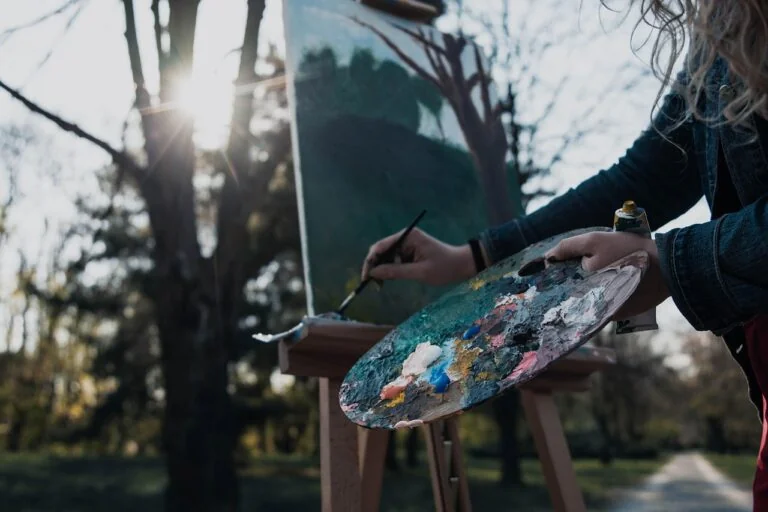
Watercolour represents a completely different approach to creating animal portraits. It’s a water-based paint, laid down in transparent layers. Unlike oil paints, this technique is marked by lightness and subtlety, allowing a more delicate, ethereal image of the pet to emerge.
Strengths
Watercolour doesn’t allow the same control over detail as oil painting, but its exceptional quality is its transparency and its ability to convey soft colour transitions. This makes it an ideal tool for artists seeking a more impressionistic, painterly character to the work.
- Romantic mood - watercolour has a softness that oil can’t give
- Luminosity - the transparent paint layers let light “pass through”
- Uniqueness - each watercolour is one of a kind and can’t be repeated
- Lightness of composition - the background can be suggested, not literal
Artists using watercolour can create dynamic shots - a running dog or a leaping cat - where movement and energy are more visible than in traditional portraits. Watercolour portraits bring delicacy and harmony to interiors.
What it won’t do
Fine, sharp details are difficult. Strongly contrasting compositions aren’t watercolour’s strong suit.
Who it’s for
For people who want “atmosphere” instead of a “precise” portrait. It’s a great match for portraits of calm animals - older dogs, dignified cats, horses in a static pose. An ideal solution for those who value subtle beauty and naturalness, and especially for those who prefer modern, minimalist arrangements.
Pencil or charcoal drawing
For clients looking for more understated and elegant solutions, pencil and charcoal drawing are an excellent choice. These materials allow remarkable precision and control over every detail, letting the artist create a very realistic image of the pet. It’s a monochrome technique based on working with light and shadow. Without colour.
Strengths
Pencil and charcoal emphasise the unique features - the structure of the coat, the depth of the gaze, the look on the animal’s face. This technique is especially favoured by clients who value minimalist and monochrome images, where every gesture of the hand matters.
- Elegance - black-and-white portraits have a gravity to them
- Coat texture - pencil conveys short hair beautifully, charcoal - long
- Price - usually lower than colour portraits
A pencil drawing can be done in either a photorealistic or a more artistic way, with refined shading and contrasts. The flat surface of paper or canvas gains three-dimensionality through the skilful use of light and shadow.
What it won’t do
Without colour, part of the animal’s character is lost - a reddish beagle or a grey British Shorthair look completely different in colour than in greyscale.
Who it’s for
For people who value minimalism and elegance. It works great as a second portrait alongside a colour one, or for portraits of animals with strongly marked character (e.g. black dogs, whose features get lost under the coat in colour). Works made with this technique fit classic, elegant interiors perfectly.
Pastel - velvet and softness
Pastel is another popular technique for creating custom animal portraits. Pastels are dry sticks that are laid on a special paper and blended. This material is marked by intensity of colour and softness of line, giving the image a unique, almost velvety look.
Strengths
The intensity of pastel colours makes them an ideal tool for conveying the natural texture of the coat and the expression of the eyes. The artist has freedom in mixing colours and shading, which allows dynamic, energy-filled images to be created.
- Coat texture - pastel naturally suits conveying the coat
- Intense colours - more vivid than watercolour
- Softness - the colour transitions are delicate
Pastel portraits can be either realistic or more abstract, depending on the client’s preferences and the animal’s character. This technique allows for greater spontaneity, which makes the images seem more alive and emotional.
What it won’t do
Pastel is “fragile” - the work needs protection from touch and framing under glass. Fine details are harder than in digital art.
Who it’s for
For lovers of handcraft in the classic sense. Pastel portraits are less formal than those made with oil or pencil. It’s an excellent choice for people looking for an original, emotion-filled image of their pet that stands out from traditional solutions.
How I choose the technique
In my studio I most often recommend digital art - as the most versatile and cost-effective technique. I suggest watercolour when the client wants atmosphere rather than maximum precision. Oil - rarely, for selected projects.
What matters most is that the technique fits what you want to achieve. There’s no “better” and “worse” - there are techniques more and less suited to a specific portrait.
Summary
The choice of painting technique depends above all on the preferences of the person ordering and the individual character of the animal. Each of the techniques - oil painting, watercolour, pencil, charcoal or pastel - has its own unique advantages that make it possible to create an exceptional work. A pet portrait can become not only a wonderful room decoration but also a precious keepsake immortalising the animal’s unique character. The decision about which technique to choose is crucial - it affects the final look of the image and the atmosphere it brings into the owner’s home.
Want to talk about a pet portrait? Write to me - I reply within 48 hours.
More in portrait
All portrait →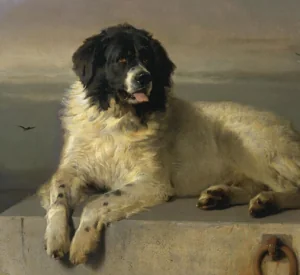
Portrait
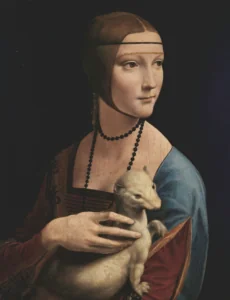
Famous artists who painted animals - the tradition of the animal portrait
George Stubbs, Rosa Bonheur, Sir Edwin Landseer - the artists who shaped the tradition of portraying animals. How their work inspires today's pet portraits.
Portrait
Animal portraits across cultures - symbolism and meaning
Lions in Egyptian art, dragons in Chinese, stags in medieval heraldry. How different cultures portrayed animals and what it tells us about their meaning.
Portrait
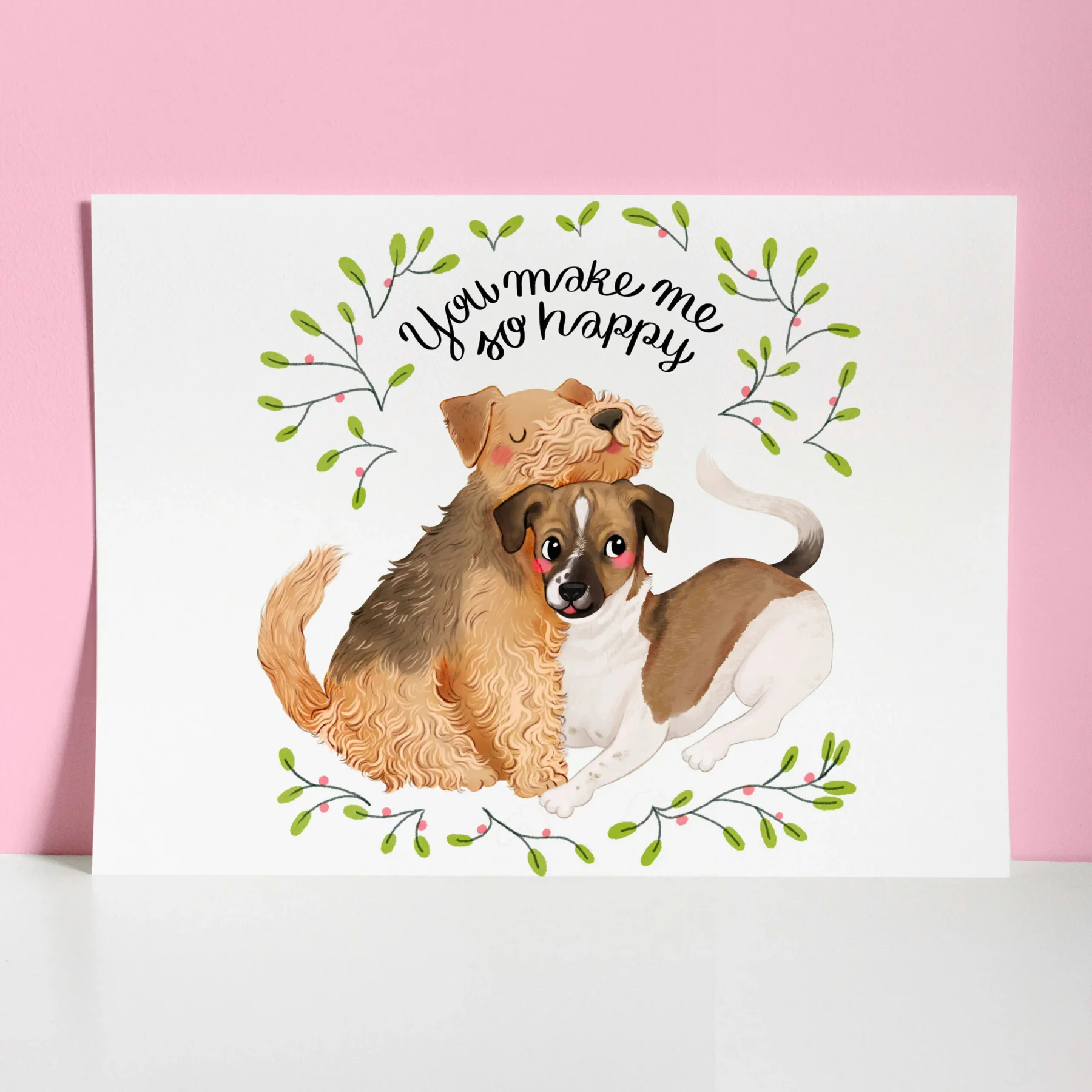
A custom pet portrait - how to capture an animal's character
A pet's character shows in the gaze, the pose and the details. What's worth thinking through before ordering a portrait so it truly reflects the animal's personality.
Start a project
Got a project? Let's talk.
I make art that stays - with emotion and attention in every project. Children's book illustration delivered worldwide, wedding and B2B event live painting across Poland - every project starts the same way: an inquiry, a conversation, a decision. Write to me directly. The Bujnowłosa studio is me and a decade-plus of practice.