
Portrait · 8 min read
Animal portraits across cultures - symbolism and meaning
Lions in Egyptian art, dragons in Chinese, stags in medieval heraldry. How different cultures portrayed animals and what it tells us about their meaning.
· Anna Karwala
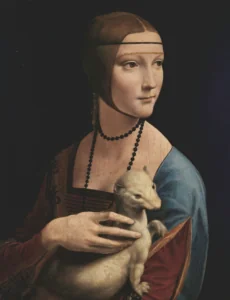
Today’s pet portrait is usually a private matter - a portrait of a specific dog, cat or parrot. But for most of history, animal portraits weren’t personal, only symbolic. Lions, eagles, dragons, stags - each of them meant something. Animals held a central place in the artistic expression of ancient societies, carrying deep spiritual, cultural and religious meanings. In this post I show how different cultures treated animals in art.
Animals in the art of ancient civilizations
The history of portraying animals goes back to times when art served religious and magical purposes. Ancient artists didn’t merely create visual representations - they crafted images with a protective function or one representing important cultural values. That set them far apart from the modern commissioning of pet portraits, where we’re driven above all by emotional attachment.
Egypt - the animal as deity
In ancient Egypt animals weren’t painted as specific creatures. They were incarnations of deities or symbols of power. The Sphinx, depicting a lion with a human head, was a symbol of strength and protection, and the lion itself was considered a sacred animal.
- The lion - a symbol of power and strength, an attribute of the pharaoh
- The cat - an incarnation of the goddess Bastet, protector of the home
- The falcon - a symbol of Horus, god of the sky
- The crocodile - the god Sobek, lord of water and fertility
- The ibis - the god Thoth, patron of writing and wisdom
Egyptian images of animals were stylized, hieratic, subordinated to convention. The individual character of the animal didn’t exist - what counted was the symbolic function.
Mesopotamia - guardians of the temples
The Mesopotamian civilizations - the Sumerians, Babylonians, Assyrians - eagerly portrayed animals as guardians and symbols of power. The famous lamassu (winged lions with a human head) guarded the entrances to palaces and temples. Animals decorating the walls of palaces and temples served as guardians and symbols of power.
Lions in Assyrian art were often shown during a hunt - the ruler fighting a lion is a motif present for centuries. It symbolised the taming of chaos and dominion over nature.
The symbolism of animals in Eastern cultures
The traditions of the East brought their own interpretations of animals as symbolic beings. The cultural understanding of animals in the East stretched far beyond simple categorisation. Each animal carried with it a complex web of mythological, philosophical and practical associations - it was an integral element of cosmological systems, representing universal principles and moral questions.
China - the dragon and the tiger
In Chinese culture, animals carry a symbolism elaborated in detail over the centuries. The Chinese dragon, though it didn’t exist physically, played a key role in mythology and was a symbol of power and good fortune (unlike the ominous European dragon).
- The dragon - imperial power, wisdom, good fortune
- The tiger - courage, protection, dominion over the earth
- The phoenix - virtue, harmony, femininity (the complement to the masculine dragon)
- The crane - longevity, wisdom, purity
Chinese animal portraits were usually decorative or philosophical - they didn’t portray a specific individual, only an idea. The dragon on an imperial robe isn’t some dragon, it’s a symbol of power bestowed from the heavens.
Japan - spirits and characters
Japanese culture also has an elaborate symbolism of animals, though with a different emphasis than Chinese. In Japan, animals were given even more varied meanings - the kitsune (fox) was seen as a magical being capable of both good and evil at once.
- The kitsune (fox) - cunning, magical, sometimes protective, sometimes ominous
- The tanuki (raccoon dog) - a trickster, associated with prosperity
- The crane and the turtle - longevity, common in art as a pair
- The koi carp - perseverance, success, transformation
The Japanese tradition of portraying animals was marked by strong stylization - in the woodblock prints of Hokusai or Hiroshige, animals were recognisable but reduced to their essence.
The role of animals in European art
Medieval and Renaissance Europe incorporated animals into the symbolic systems of heraldry and religious art. The lion, eagle or stag were inseparable elements of family coats of arms, symbolising qualities such as courage, wisdom or nobility. Animals took on an allegorical dimension, representing abstract concepts of human virtues and religious messages.
Medieval Europe - heraldry and allegory
In the Middle Ages, animals entered coats of arms on a mass scale. Each one had a meaning:
- The lion - courage, power, dignity
- The eagle - ambition, loftiness, dominion over the realm of the spirit
- The stag - purity, nobility, humility
- The serpent - wisdom or betrayal (depending on context)
- The wolf - predatoriness, sometimes protectiveness
Heraldry created a language of its own - looking at a coat of arms you could “read” a family’s virtues, its history, its aspirations. The animals on coats of arms were stylized, subordinated to rules (the lion “rampant”, the eagle “displayed”).
Medieval religious art also drew on animals as symbols - the lamb as Christ, the dove as the Holy Spirit, the lion as Mark the Evangelist. European artistic traditions presented animals as bearers of meanings beyond their physical nature.
The Renaissance - the animal as part of the natural world
The Renaissance brought a change. Artists began to take an interest in anatomy and naturalism. Leonardo da Vinci sketched horses with anatomical precision. Albrecht Dürer drew a hare so accurately that it’s still one of the most famous animal portraits in European art today. The animal stopped being merely a symbol and became an object of scientific and artistic observation.
The Baroque - the animal as an element of status
The wealthy Baroque aristocracy began commissioning portraits of their hunting dogs and horses. This was a new thing - a portrait of a specific animal, known by name. Rubens, Velazquez and Snyders painted animals with the same attention they gave to people. A portrait of a pedigree dog on the wall testified to the owner’s standing. The more beautifully the dog was painted, the more it said about the host.
Animals in contemporary art
Portraying animals became popular in the modern period, serving as a personal form of artistic expression. People commission portraits of their pets out of a desire to commemorate the relationship and to present the unique features of their pets on canvas. This practice combines traditional painting techniques with personal emotional stories.
Contemporary animal portraits can integrate various artistic approaches - from realistic representations to more stylized interpretations. Each work becomes a medium for expressing the owner’s feelings and documenting the animal’s significance in their life. The artistic depiction can contain both physical characteristics and the emotional subtleties of the relationship.
The reason for the rise in popularity of pet portraits is a combination of social and technological factors. Digital photography makes it easier to document the details of animals, and a growing appreciation of personalised art increases the demand for individual portraits.
In the 20th and 21st centuries the animal portrait broke away from symbolism and status. Today a custom pet portrait is above all an expression of a relationship - the personal bond between a person and a specific dog, cat or rabbit. The client doesn’t order a portrait of a dog. They order a portrait of Rex - their own, one and only, specific one. That’s a fundamental change in how we think about animals in art.
The meaning of animal portraits in modern life
Animal portraits have taken on a new role in the digital age, where their reproduction is possible across many platforms and media. Yet hand-painted or carefully created portraits retain their uniqueness and emotional value. Animal owners see in these portraits a lasting keepsake of a moment that would otherwise fade with time.
Psychologically, an animal portrait can represent the owner’s emotional anchoring. Pets serve therapeutic, social and emotional functions for people. Immortalising their image in art is a form of extending that relationship, making it more lasting and visible to others.
The artistic representation of an animal gives it a status close to that of a family member. When the portrait hangs on the wall, the animal gains recognition as a valuable being, worthy of being commemorated in the same way we commemorate important people or events.
What’s left of it
The symbolism hasn’t disappeared entirely. The dog is still associated with loyalty, the cat with independence, the lion with courage. A portrait of a specific pet usually fits into these associations, even if the owner isn’t consciously thinking about it.
Every contemporary pet portrait is also a continuation of a long tradition - whether framed as a fine-art wall poster or as an illustration in a children’s book. We stand on the shoulders of the whole history of portraying animals, and that gives the contemporary practice a depth that isn’t always visible at first glance.
Summary
The history of animal portraits reaches into the deep cultural traditions of various civilizations. The art of portraying animals, in both ancient and modern cultures, has a long and rich history. From religious functions in ancient Egypt, through magical meanings in the East, to heraldic status in medieval Europe - animals always held a significant place in human artistic expression.
The contemporary commissioning of pet portraits connects with this traditional respect for animals. Although the motivations differ - today the driver is a personal bond rather than religious belief - the practice itself remains consistent with a centuries-old history. Every animal portrait, regardless of the era of its creation, is a manifestation of the human desire to understand and commemorate the creatures living alongside us.
Want to order a portrait of your pet? Write to me - I reply within 48 hours.
More in portrait
All portrait →
Portrait
Famous artists who painted animals - the tradition of the animal portrait
George Stubbs, Rosa Bonheur, Sir Edwin Landseer - the artists who shaped the tradition of portraying animals. How their work inspires today's pet portraits.
Portrait
Animal portraits - the most popular techniques
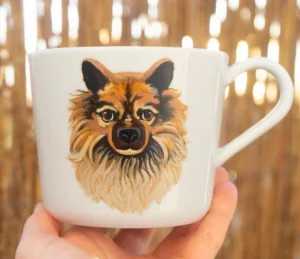
Oil, watercolour, digital art - which technique to choose for a pet portrait? A comparison of techniques from the perspective of an artist who works with animal portraits.
Portrait
A custom pet portrait - how to capture an animal's character
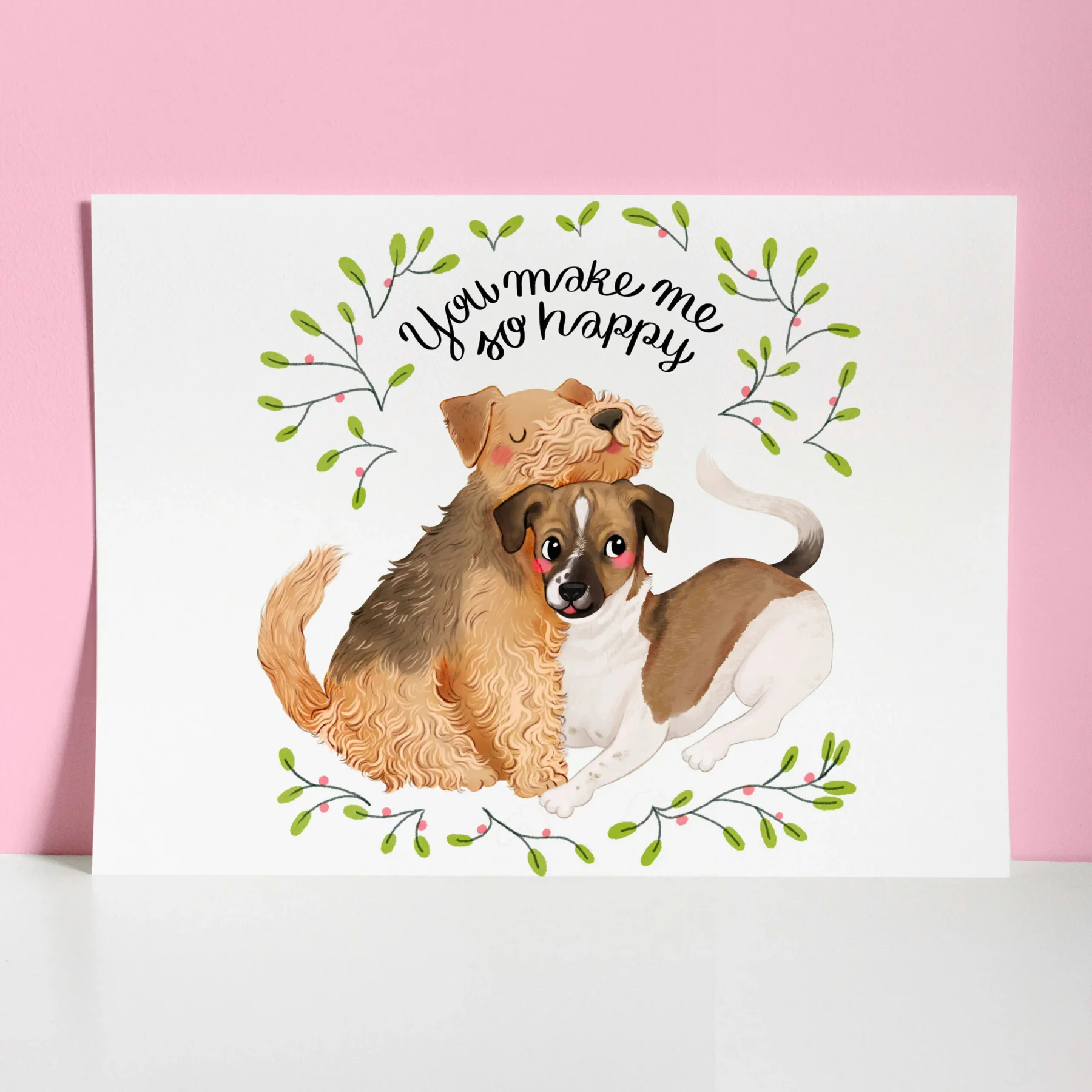
A pet's character shows in the gaze, the pose and the details. What's worth thinking through before ordering a portrait so it truly reflects the animal's personality.
Start a project
Got a project? Let's talk.
I make art that stays - with emotion and attention in every project. Children's book illustration delivered worldwide, wedding and B2B event live painting across Poland - every project starts the same way: an inquiry, a conversation, a decision. Write to me directly. The Bujnowłosa studio is me and a decade-plus of practice.