
Portrait · 8 min read
A wedding portrait as a piece of interior decor
A wedding portrait doesn't have to hang in the bedroom like a relic. How to fit it into the space of your home so it's an important but not overwhelming part of the decor.
· Anna Karwala
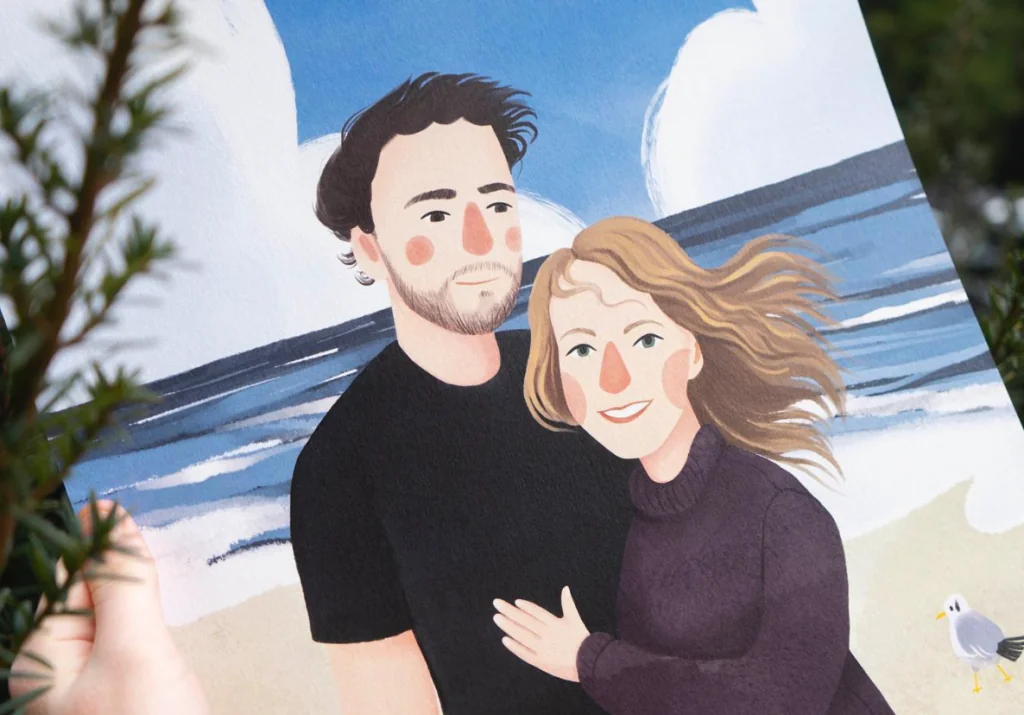
A wedding is one of the most important events in life, deserving special commemoration. More and more couples decide to immortalise those special moments in the form of portraits. A wedding portrait at home can become not only a personal keepsake but also a key decorative element. A wedding portrait often comes together with great care - good photos, long conversations with the artist, an individual quote. And then it hangs in the bedroom, in one spot where hardly anyone ever sees it. A shame. A well-placed portrait can be the central point of a home - and it loses none of its intimacy in the process.
Choosing the right spot for the portrait
Hanging a wedding portrait at home requires a careful choice of location. The portrait should be placed somewhere that both underlines its significance and fits the overall arrangement of the space.
The living room - the central spot
The natural place for a custom wedding portrait is the living room. It’s the room where you spend the most time and where you receive guests. Placing the work above the fireplace or sofa gives the interior an elegant character and draws guests’ attention. In spacious living rooms a larger format dominates the wall and gives the room a stately look.
It’s worth ensuring good lighting then - a spotlight above the work or natural light falling on the wall. Without it, the portrait gets lost in shadow.
The hallway or entrance
A less obvious but effective spot. The entrance and hallway are spaces that both household members and guests pass through. This makes the portrait both exposed and subtle at once. A portrait in the entrance is the first thing guests see when they enter. It sends a signal: a specific couple lives here, with a specific story.
Appropriate lighting is crucial here - both natural and artificial - to bring out the details and set the right mood. The hallway should also be at least 1.5 metres wide, so you can step back and view the portrait without crowding.
The bedroom - a classic
The bedroom is a safe choice. A portrait above the bed is a classic. The downside is that you rarely look at the portrait - mainly in the evening before sleep and in the morning. Guests will never see it. If you choose the bedroom, go for a smaller format. A portrait above the bed shouldn’t be overwhelming.
The stairs - for larger homes
In homes with an upper floor, the wall above the stairs is a great spot for a larger portrait. Natural light, plenty of space, an exposed position.
Arranging an interior with a portrait
An important element is fitting the portrait into the existing interior style. Harmony between the work and the rest of the decor is essential, so as not to overwhelm the space.
Classic interiors
In classic styles, where warm colours and elegant furniture dominate, large portraits in richly mounted frames work perfectly. You can choose neoclassical frames or ones with a light ornament - they emphasise the work’s prestige and standing. The portrait is best placed against walls in neutral tones, which will heighten its impact.
Modern interiors
In minimalist arrangements a wedding portrait can be more austere - black-and-white, set in simple metal frames. In such spaces the work should be a subtle accent complementing the arrangement rather than dominating it. Restraint ensures the portrait fits harmoniously into the modern decor.
How to choose a frame
The frame is more important than it seems. It’s what “sets” the portrait in the space.
For modern interiors
A thin, simple frame - natural wood, white or black. No ornaments, no patina. It suits Scandinavian style, the loft look, a home with a minimalist aesthetic.
For classic interiors
A thicker frame of dark wood (walnut, dark oak) or gilded. With a light ornament, but without baroque excess. It suits homes with wooden furniture, rugs, more “heavy” elements.
For watercolour
A thin, light frame. Sometimes it’s worth leaving a passe-partout - that is, a white margin between the work and the frame. It gives the watercolour “room to breathe”.
Complementary decorations
Accessories play a big role in emphasising the portrait’s presence in the interior. Decorations are a great way to create a coherent arrangement in which all the elements complement one another.
A photo gallery
One idea is to fit the portrait into a gallery of photographs. The main work can be complemented with several smaller photos from the ceremony, the outdoor session or other important moments. Such a configuration creates an intimate atmosphere and becomes the emotional point of the space.
Floral accents
Dried flowers, bouquets or wreaths complement a portrait beautifully. Decorations of dried flowers can complement the work perfectly - the flowers should relate in colour to the tone of the portrait. Such details, arranged on shelves or chests of drawers, bring lightness and a romantic atmosphere.
Textiles
Curtains, cushions or throws in shades echoing the portrait’s colours help create a coherent composition. This simple solution subtly references the wedding theme, creating a harmonious whole.
The colour context
The portrait has to talk to the rest of the home. That doesn’t mean it has to be in the same colours, but it should agree with them.
A few practical rules:
- A warm interior (beige, wood, terracotta) - a portrait with a warm palette (tanned skin, warm light, warm backgrounds)
- A cold interior (greys, whites, navies) - a portrait with a cooler palette
- A neutral interior - the portrait can be a colour accent, livening up the space
Sometimes it’s worth doing the opposite - a portrait in a cold palette in a warm interior, as a contrast. That does require confidence in the arrangement, though. The colour of the wall the portrait hangs on affects how it’s perceived. Colours such as ecru, grey or light beige are a universal backdrop for most portrait styles.
Scale - how big a portrait to hang
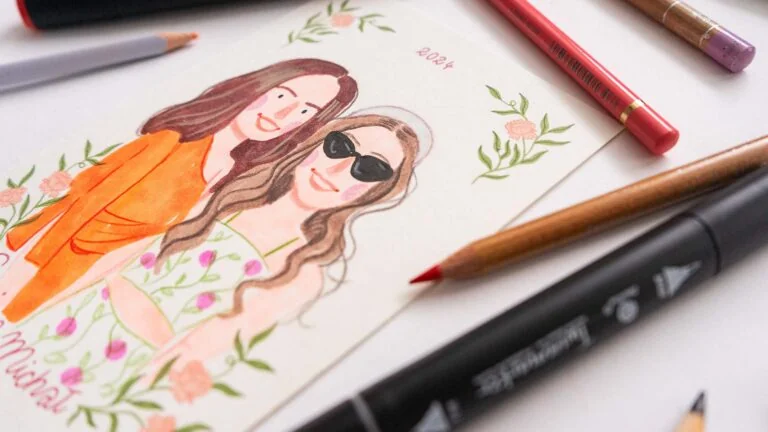
The most common mistake: too small a portrait on too large a wall. It then works like a “postage stamp” - out of proportion, getting lost. I most often make larger formats as a fine-art wall poster with a margin for the frame.
Rule of thumb:
- A portrait above the sofa should be about 70% of the sofa’s width
- A portrait on an empty wall should be at least a metre in its longer dimension
- A portrait in a hallway can be vertical and narrow
Better too big than too small. A small portrait is easier to fit, but visually it often looks like a mistake.
What goes beside the portrait
A portrait doesn’t have to hang alone. Sometimes it looks good as part of a composition:
- A gallery - the portrait as the central work, smaller photographs around it
- A console table beneath the portrait - with a few decorative elements
- A plant beside it - a large monstera or strelitzia livens up the portrait
The key is not to overdo it. The portrait should be the centre of attention, not compete with ten other elements.
Sentimental compositions
Some clients combine the wedding portrait with other keepsakes from the reception - the invitation framed separately, a dried flower from the bouquet, a small piece of text, or a series of portraits from live guest painting. This builds a “wall of memory” from your day.
This works if everything is stylistically coherent - the same frames, the same colours, the same “class”. Scattered, it looks chaotic.
Combining different artistic media
Interesting results can come from combining a painted portrait with photographs or other forms of art. This approach adds depth and richness to the arrangement, creating an unexpected visual composition. A wedding portrait can be the central point of a living-room composition. Around it you can arrange other decorative elements, smaller pictures or accessories that echo the colours of the main work.
Care and protection
It’s worth remembering to look after the portrait properly. Placing it away from direct sunlight, moisture and extreme temperatures extends its life. Regularly cleaning the frame and glass keeps the work in excellent condition.
What to avoid
- A portrait above the television - two competing “centres of attention” in one place
- A portrait on a wall with a large window - backlight ruins the work
- A portrait in the bathroom and kitchen - moisture and steam harm the paper
- A portrait in full sunlight - the colours fade over time, even with fine-art technique
Personalising the space
A wedding portrait at home isn’t only a sentimental keepsake but also an excellent way to personalise the interior. It lets a couple express their personal style and brings authenticity to the arrangement. A great advantage of wedding portraits as a decorative element is their flexibility - they can be moved to other walls, reframed or complemented with accessories as tastes or interior arrangements change.
A well-placed wedding portrait is a central decorative point, giving the space a unique character. The key to success is choosing the right spot, the right framing style and the accessories that emphasise the work’s uniqueness. With a thoughtful arrangement, the wedding portrait will be an integral part of the decor, bringing joy for many years.
Want to talk about a portrait for your interior? Write to me - I reply within 48 hours.
More in portrait
All portrait →
Portrait
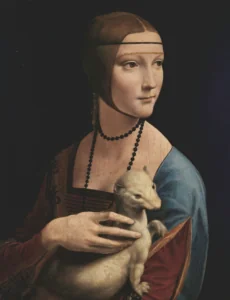
Famous artists who painted animals - the tradition of the animal portrait
George Stubbs, Rosa Bonheur, Sir Edwin Landseer - the artists who shaped the tradition of portraying animals. How their work inspires today's pet portraits.
Portrait
Animal portraits across cultures - symbolism and meaning
Lions in Egyptian art, dragons in Chinese, stags in medieval heraldry. How different cultures portrayed animals and what it tells us about their meaning.
Portrait
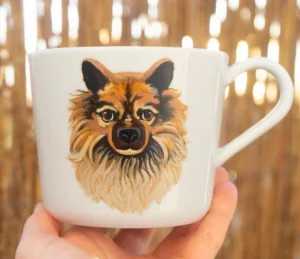
Animal portraits - the most popular techniques
Oil, watercolour, digital art - which technique to choose for a pet portrait? A comparison of techniques from the perspective of an artist who works with animal portraits.
Start a project
Got a project? Let's talk.
I make art that stays - with emotion and attention in every project. Children's book illustration delivered worldwide, wedding and B2B event live painting across Poland - every project starts the same way: an inquiry, a conversation, a decision. Write to me directly. The Bujnowłosa studio is me and a decade-plus of practice.