
Illustration · 14 min read
How to choose the ideal illustrator for a children's book - 6 criteria
Choosing an illustrator is one of the most important publishing decisions. 6 evaluation criteria, a practical checklist and traps worth avoiding.
· Anna Karwala
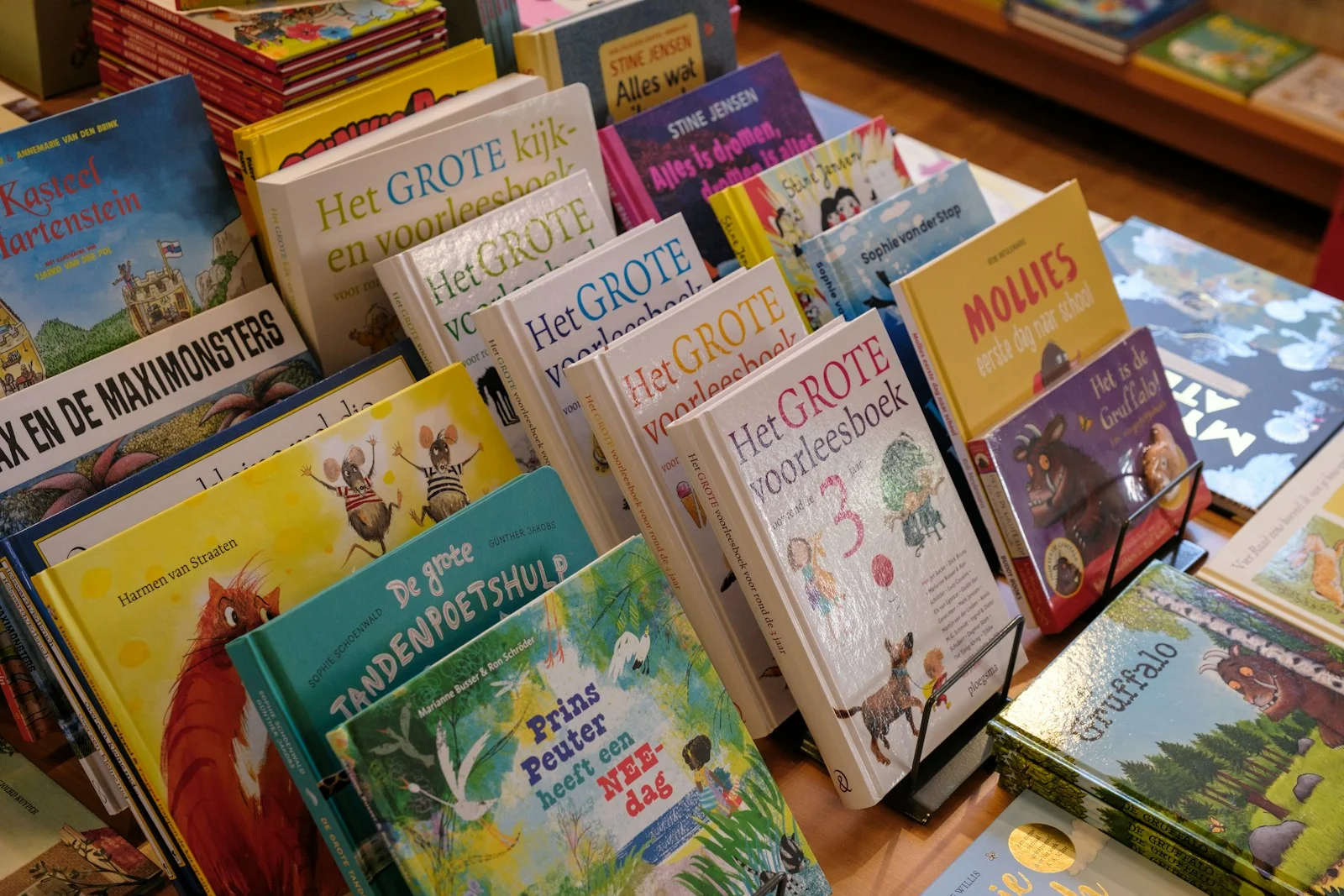
Choosing an illustrator is one of the most important decisions in the publishing process. Illustrations in children’s books play a far more important role than mere decoration - they are the key to the success of the whole publishing project.
From the perspective of an experienced children’s book illustrator I see the challenges authors face - and the mistakes they make most often. I’ll show you six criteria that will help you choose well, plus a practical checklist of the process in three stages.

Why choosing the illustrator is so crucial
First impressions decide
Parents make the decision to buy a book for their child very quickly - often within the first 10 seconds of visual contact. Illustrations play a decisive role in catching attention on the bookshop shelf or in the online store. They decide whether someone reaches for the book or walks past.
A role in a child’s development
Good illustration is not an ornament - it’s an integral part of the reading experience. It supports a child’s development in several ways:
- it aids imagination and the visualisation of the story
- it makes learning to read easier, because images help to understand the text
- it develops emotional competence through the characters’ expressions and postures
- it stimulates creativity and inspires children to draw their own pictures
- it builds a bond with the book that lasts for years
Determining the target group
The style of illustration automatically defines which age group the book is aimed at. Illustrations for a two-year-old will be completely different from those for an eight-year-old. The wrong choice means the book doesn’t reach its audience despite valuable content. In choosing the illustrator, you’re also choosing the audience.
Criterion 1: portfolio and experience in children’s illustration
Not every good illustrator will be good at children’s illustration. Illustrating children’s publications is a specialisation requiring unique skills.
What to look for in a portfolio
Variety of children’s projects. Check whether the illustrator can work with different age groups:
- toddlers (0-3 years) - simple forms, contrasting colours
- preschoolers (3-6 years) - colourful, dynamic scenes
- school-age children (6-12 years) - detailed illustrations with narrative elements
Working with publishers indicates familiarity with professional processes. It means knowing deadlines, industry standards, the technical requirements of print.
The range of projects. The best illustrators have in their portfolio not only books, but also:
- educational illustrations for children and teaching materials
- covers of children’s magazines
- materials for schools and kindergartens
- educational games and toys
It’s also worth looking at the winners of industry awards organised by IBBY (International Board on Books for Young People) - this is the environment where the world’s best illustrators work.
Recommended questions
- How many children’s books have you illustrated in the last 3 years?
- What were the biggest challenges in children’s projects?
- Do you have experience with my age group?
Experience shows that an illustrator without at least 5-10 children’s projects in their portfolio will be learning on your project - and that increases the risk of failure.
Criterion 2: an artistic style matched to the story
There is no single “best” illustration style. There’s a style appropriate for a specific book and specific audience.
The main styles in children’s illustration
Realistic style - for older children (8+) and educational books. A detailed, believable world. Use: nature books, historical stories, encyclopedias. It’s also the basic language of classic educational picturebooks.
Cartoon/animation style - universal, for all age groups. Dynamic, easy to take in. Use: funny adventures, fairy tales with anthropomorphic animals.
Minimalist style - for the youngest (0-4 years). It doesn’t overwhelm, it focuses attention on the essentials. Use: books about colours, shapes, first words.
Watercolour/painterly style - for poetic stories and classic fairy tales. Warm, artistic, nostalgic. Use: fairy tales, nature stories, emotional stories.
How to match the style to the story
Analyse the character of your story and the emotions you want to evoke:
- joy and laughter - vivid colours, dynamic characters, cartoon style
- calm and safety - warm pastels, gentle lines, watercolour
- excitement and adventure - contrasting colours, dramatic compositions
- wisdom and learning - muted palettes, realistic detail
I get the best results when the author sends 2-3 illustrations from the internet saying: “I’d like something in this vibe”. This gives a clear reference point. One specific image says more than a paragraph of adjectives.

Criterion 3: understanding the target group
A good children’s book illustrator is not only an artist - they’re also a bit of a child psychologist. They have to understand how children of different ages perceive the world.
Differences between age groups
0-3 years (infants and toddlers)
- perception: high contrasts, simple shapes
- interests: faces, animals, familiar objects
- attention: very short, a need for large, legible images
- emotions: safety, warmth, recognisability
3-6 years (preschoolers)
- perception: a wealth of colours, more detail
- interests: adventures, fantasy, anthropomorphic animals
- attention: longer, they can “read” a picture
- emotions: curiosity, first humour, identification with characters
6-12 years (school-age children)
- perception: they appreciate detail, complexity
- interests: realistic adventures, fantasy, humour
- attention: they can focus on complex scenes
- emotions: more empathy, an understanding of subtlety
Checking competence
A test question: how does depicting emotions in an illustration for a 4-year-old differ from a 8-year-old?
A good answer should account for differences in the way emotions are depicted, different levels of detail, a different approach to colour, other elements supporting the narrative.
Red flags are answers like: “there’s no difference, sadness is sadness” or “children like bright colours, I always use them”. That’s a sign the illustrator has no deeper understanding of the group.
Criterion 4: technical and craft skills
Talent is one thing, but technical skills are the foundation of professional illustration. A book is a commercial product that has to meet defined quality standards.
Key technical competencies
Knowledge of formats and resolution. Does the illustrator know how to prepare files for print? Do they know the difference between RGB and CMYK? Do they understand bleeds, technical margins, overprint?
Stylistic consistency. Can they maintain a uniform style throughout the book? It’s harder than it seems - every illustration has to match the others.
Working with text. Do they understand how illustrations should interact with text? Do they know where to leave space for text, how not to overwhelm the story with image?
Managing deadlines. Publishing is an industry where delays really cost money - print delays, postponed launches, contractual penalties.
How to check technical competence
Ask for a sample in the target format. If you’re planning a 20x20 cm book, ask for a sample illustration in that format and resolution. A good professional will deliver a print-ready file.
Ask about the work process. “What does your process of creating from sketch to final file look like?” A professional will talk about the stages: sketch, consultations, colour sketch, final illustration, corrections, print file.
Check previous projects physically. Ask to see finished, printed books. Do the illustrations look good on paper? Are the colours consistent? A good book illustrator will gladly show copies of their work - because they’re the proof of handling the process from start to finish.
Criterion 5: approach to communication and collaboration
Creating a book is a team process. Even the most talented illustrator can ruin a project if they can’t collaborate.
Signs of a good communicator
They ask thoughtful questions. A good illustrator doesn’t say “yes, I’ll do it” right away. They ask:
- who is the main target group?
- what mood should prevail in the book?
- are there elements you absolutely don’t want?
- what’s the budget and timeline?
They present the collaboration process. A professional will explain:
- how many revision rounds there will be
- what the consultations will look like
- when you’ll see the first sketches
- what’s included in the price and what costs extra
They show previous collaborations and talk about the successes as well as the challenges of other projects. They share experiences instead of hiding difficulties.
Red flags in communication
- they don’t ask questions about the project - they illustrate “blind”
- they promise unrealistically fast deadlines (“3 days and it’ll be ready”)
- they don’t want to show sketches
- they avoid talking about revisions
- they have no clear rules of collaboration
- they don’t reply for a long time without explanation

How to test communication
Instead of the question “how much does illustrating a book cost?”, write a concrete enquiry: “I’m looking for an illustrator for a 24-page book for children aged 4-6 about the adventures of a kitten. The story should be cheerful and colourful. What questions do you have and what would the collaboration look like?”
Pay attention to the answer:
- did they read your whole message?
- did they ask additional questions?
- is the answer constructive and substantive?
- is the tone professional but friendly?
Criterion 6: budget and transparent pricing
Price shouldn’t be the only criterion, but it has to be realistic for your project. Too low may mean a lack of experience. Too high may be unjustified by the value.
What affects the price of book illustration
- the number of illustrations - each page is a separate piece of work
- complexity - simple vs detailed scenes
- experience - renowned artists charge more
- copyright - whether the illustrator retains it
- timeline - rush deadlines raise the price
- additional services - layout, cover, e-book
My quotes are always individual - because every project is a different scope and different requirements.
Budget questions worth asking
“What’s included in the quoted price?”
- consultation sketches
- a defined number of revisions
- files in various formats (for print, for e-book, for social media)
- whether the cover is priced separately
“What do the payments look like?”
- a deposit on signing the contract
- instalments at milestones
- payment on completion
“What if I need additional revisions?”
- how many rounds are included
- how much extra changes cost
- which changes are “minor” and which “significant”
My advice: never choose the cheapest offer without a thorough analysis. Reworking weak illustrations will cost more than doing them well the first time.
A practical checklist of the selection process
Stage 1: initial selection
Prepare a project brief containing:
- the type of book and age group
- the number of pages and illustrations
- the preferred style (with examples)
- budget and timeline
- special requirements
Find 5-10 candidates (freelance platforms, social media, recommendations, personal websites). Send an identical enquiry to everyone - this lets you objectively compare the answers.
Stage 2: detailed analysis
Choose the top 3 based on portfolio quality, experience, the way they communicate and the realism of the quote.
Hold an in-depth conversation - by phone or video. Check the details of the work process and personal chemistry. Ask detailed questions, discuss the requirements, check the “vibe” - whether it’s easy to talk, whether you feel the person is listening to you.
Stage 3: the final decision
Ask for detailed offers from 2-3 finalists. They should contain a timeline, pricing details, terms of collaboration, a sample illustration.
Make the decision, weighing:
- 40% - skills and portfolio quality
- 30% - style fit to the project
- 20% - communication and professionalism
- 10% - price (it shouldn’t be the main criterion)
The most common mistakes in choosing an illustrator
Focusing only on price. You choose the cheapest offer without analysing quality. Consequences: weak illustrations, the need to redo them, extra costs. Set a budget realistic for your expectations.
Ignoring the audience. You choose illustrations you like, without thinking about the target children. Test your choice on children from the target group.
No clear arrangements. You don’t settle the exact rules of collaboration, deadlines, revisions. Consequence: conflicts and delays. Put everything in writing before starting.
Micromanagement. You control every detail, you don’t allow creativity. Consequence: illustrations without a soul. Give clear expectations, then let the artist work.
Ignoring technical requirements. You don’t check whether the illustrator understands the aspects of publishing. Consequence: print problems, extra costs at the end.
7 steps to a good choice
- Check the portfolio and experience - does the artist have experience in your niche?
- Assess the style fit - does it match the character of the story and the target group?
- Verify their understanding of the audience - do they understand the needs of children at a given age?
- Check the technical skills - can they deliver the files you need?
- Assess communication - will the collaboration run smoothly?
- Analyse the pricing transparency - is the price realistic and justified?
- Check references - what do previous clients say?
A final piece of advice
From my experience one thing is crucial: the best indicator of a successful collaboration is the feeling after the first longer conversation. If you feel the artist understands your vision, asks intelligent questions and shows genuine enthusiasm for the project - it’s probably a good choice.
Remember that you’re choosing not only a set of technical skills, but a partner for creating something beautiful for children together. This book will stay with you for years - it’s worth devoting time and attention to choosing a person who’ll help you create something truly special.
Children’s books have a unique power - they shape imagination, teach emotions, build a bond with reading for life. Choosing an illustrator who understands this responsibility is the foundation of your project’s success.
Looking for an illustrator for your book? Write to me - I reply within 48 hours.
More in illustration
All illustration →
Illustration
How to publish a children's book - the complete guide
What you need to know to publish a children's book - publisher vs self-publishing, editing, illustrations, print, ISBN, distribution and promotion. Step by step.
Illustration
How to prepare a brief for an illustrator - a guide for authors
The brief is the foundation of working with an illustrator. What it should contain, what to avoid, how to describe characters and scenes - a practical guide for children's book authors.

Illustration
The psychology of colour in children's illustration
How colours affect children's reception of illustrations. Warm and cool tones, contrasts, a palette by age - a practical guide for authors.
Start a project
Got a project? Let's talk.
I make art that stays - with emotion and attention in every project. Children's book illustration delivered worldwide, wedding and B2B event live painting across Poland - every project starts the same way: an inquiry, a conversation, a decision. Write to me directly. The Bujnowłosa studio is me and a decade-plus of practice.