
Guide for authors
How to publish a children's book - a complete guide
Everything you need to take a children's book from manuscript to a printed copy - choosing between a publisher and self-publishing, editing, illustration, printing, ISBN, distribution and promotion. Step by step, with the real costs and timelines.
Key takeaways
- - A publisher gives you distribution; self-publishing gives you full control - choose deliberately.
- - Illustration is usually the biggest budget line and the deciding factor in whether a child picks the book up.
- - An ISBN comes from your national agency (Bowker in the US, Nielsen in the UK) and identifies the publisher of record.
- - Realistic time from finished text to print in self-publishing is 3-6 months.
- - Building an audience before launch beats any post-launch push.
Traditional publisher vs self-publishing
The first decision shapes everything that follows. A traditional publisher covers the costs - editing, illustration, printing, distribution - and pays you a royalty. In return you give up control: over the illustrator, the cover, the timeline. For a debut author it's hard to get in; most unsolicited submissions are rejected without a full read. The wait from an accepted manuscript to a printed book is typically 12-18 months.
Self-publishing flips it: you keep full control and all the rights, but you carry every cost and every task - or you hire people for them. It's running a small business, not just writing. Done well, it's faster (3-6 months) and more profitable per copy. Done carelessly, it shows on every page.
For many debut authors a hybrid model - a small press that shares costs and decisions - is the sweet spot between the two.
Editing and proofreading
Editing checks the substance: are the characters consistent, does the structure hold, does the ending land for the target age? Proofreading removes the language errors. These are the cheapest stages to skip and the most obvious when you do - a strong story still falls apart in print without them.
Illustration - the part that sells the book
For a children's book, illustration isn't decoration - it's half the storytelling, and often the reason a child reaches for the book at all. It's usually the largest line in the budget, and the one worth getting right.
When you commission an illustrator, look at the portfolio closely: style consistency, character design, whether the art carries a story without leaning on the text. Agree scope, rights, schedule and revision rounds in writing before anyone starts. Book 3-6 months ahead - good illustrators are reserved early.
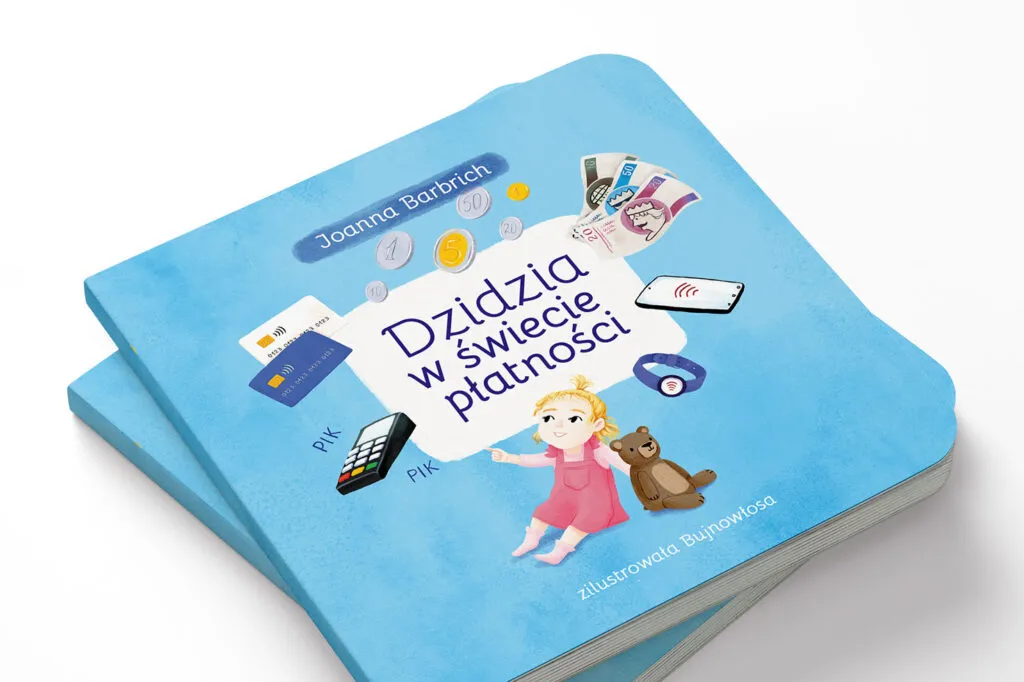
I work remotely with authors and publishers worldwide. You can see my work and start a project on the children's book illustration page - from narrative illustration and the cover through to print-ready files.
Layout, cover and print preparation
Layout for children needs its own craft - typeface choice, leading, generous margins, the dance between text and image on a spread. The cover is a separate job with its own format and a larger bleed; it's the single most important sales surface, including as a thumbnail in an online store. Print files go out as CMYK with bleed and embedded fonts.
Printing and ISBN
Choose a printer experienced with children's books - tear-resistant paper, durable, child-safe inks. Decide between print on demand (Amazon KDP, IngramSpark - flexible, no stock, higher unit cost) and an offset print run (low per-copy price, but storage and sell-through risk). Debut authors usually start small: 100-300 copies, or print on demand until the response is clear.
An ISBN identifies you as the publisher of record. In the US it comes from Bowker, in the UK from Nielsen, elsewhere from your national agency. Amazon KDP offers a free ISBN, but it names Amazon as publisher and limits where you can sell - buying your own keeps the book yours.
Distribution and promotion
Self-publishing opens several routes: your own site, Amazon KDP, and IngramSpark for bookstore and library reach. Promotion runs on Instagram, parenting bloggers and reviewers, book fairs and author events. The single biggest lever is building an audience before the book launches - a hundred people waiting for release day beats a thousand strangers after it.
The process in six steps
- 01
Choose your publishing model
Decide between traditional publishing (no cost, but low control and a 12-18 month wait) and self-publishing (full control, but all costs and tasks on you). Consider a hybrid model for a debut.
- 02
Edit and proofread the text
Editing checks substance, structure and style - whether characters are consistent and the ending lands for the target age. Proofreading removes language errors. Skipping these stages shows in print.
- 03
Find an illustrator and commission the art
A critical decision - illustration often decides whether a child reaches for the book. Check the portfolio closely, agree terms, rights and schedule. Commission at least 3-6 months ahead.
- 04
Layout, cover and print preparation
Layout needs knowledge of children's typography - typeface, leading, margins. The cover is a separate job (different format, larger bleed). Print files are CMYK with bleed and embedded fonts.
- 05
Printing and ISBN
Choose a printer experienced with children's books (tear-resistant paper, durable print). Get an ISBN from your national agency (Bowker in the US, Nielsen in the UK) and register the publisher of record.
- 06
Distribution and promotion
Self-publishing options: your own site, Amazon KDP, IngramSpark for bookstore reach. Promote via Instagram, parenting bloggers, book fairs and author events. Building an audience before launch works best.
Frequently asked questions
Traditional publisher or self-publishing - which is better for a debut?
Traditional publishing is hard for debut authors - most submissions are rejected without a full read - but it's worth trying, because it saves cost and gives you distribution. If you're turned down repeatedly, self-publishing is the faster route, but it's running a small business, not just writing. A hybrid model (a small press that shares costs and decisions) is often the best fit for authors who want more control than a big house allows.
Do I need an ISBN to self-publish a children's book?
Yes, if you plan to sell through bookstores or retailers. In the US, ISBNs come from Bowker; in the UK, from Nielsen; other countries have their own national agency. Amazon KDP gives you a free ISBN, but it lists Amazon as the publisher and limits distribution. Buying your own ISBN keeps you as the publisher of record and lets you sell wider. Without one, you can only sell directly.
How long does it take to publish a children's book?
Realistically 3-6 months from finished text to print for self-publishing. The illustrations for a standard 32-page picture book take 8-12 weeks, plus editing, proofreading, layout, printing and distribution setup. Traditional publishing runs 12-18 months from an accepted manuscript, because you fit into their release schedule. A single cover is faster - 2-4 weeks.
Print on demand or a print run - which should I choose?
Print on demand (Amazon KDP, IngramSpark) suits unpredictable demand or when you don't want to invest in stock upfront - flexible, no warehousing, but a higher unit cost. An offset print run (500-1000+ copies) gives a low per-copy price but needs storage and the risk you won't sell through. For debut authors, start small (100-300 copies) or print on demand until you've tested the response.
How much does it cost to publish a children's book?
It depends on the number of illustrations, text length, print run, paper quality and marketing. The main costs are illustration (usually the biggest line), editing, layout, cover design, printing, ISBN and promotion. Most authors underestimate the total. Illustration is where the budget lives - and where the book either earns a child's attention or doesn't.
How do I find a children's book illustrator?
Look at portfolios carefully - style consistency, character work, whether the art carries a story without the text. Agree on scope, rights, schedule and revisions in writing before starting. Book 3-6 months ahead. I work remotely with authors and publishers worldwide - you can see my work and start a project on the children's book illustration page.
Need the illustrations?
A children's book illustrator who takes it from brief to print.
47 published books, 12 publishers. I work remotely with authors and publishers worldwide - narrative illustration, covers, layout and print-ready files.